

Cutting Cycle Time on Tough-to-Machine Materials Using Superabrasives in the Foundry Industry
The foundry industry has a problem that won't go away: how to efficiently machine some of the hardest materials used in manufacturing. These materials push traditional grinding tools to their limits, ranging from hardened steel castings to rare alloys used in aerospace and automotive applications. The result is too much wear on the tools, longer cycle times, and uneven surface finishes that can lower the quality of the finished parts. For foundries operating on tight margins, every minute of machine time is crucial, and each rejected part results in financial loss.
This is where superabrasive technology is a game-changer. Superabrasives last much longer than regular abrasives when they come into contact with powerful, abrasive materials. This lets foundries cut cycle times by a lot while getting better surface finishes. For decades, we've been designing custom superabrasive solutions at Abrasive Technology to meet the specific needs of foundries in casting applications. This has helped manufacturers deal with the material problems that have long troubled the industry.
The Material Challenge in Modern Foundries
Foundries today use a wider range of materials than ever before, which puts more strain on grinding tools. High-chromium white iron castings are very hard and are often used in the mining and cement industries because they don't wear out easily. These castings create extreme hardness gradients, causing regular grinding wheels to load and glaze. Nickel-based superalloys are used to make investment castings that are hard to remove and very hot when ground. To remove material quickly and keep their shape, tools are needed for ductile iron castings with through-hardened surfaces.
Each of these materials has its problems that come up during finishing operations. The differences in hardness on as-cast surfaces cause uneven grinding forces, which result in chatter, a bad surface finish, and wrong dimensions. Grinding generates heat that can change the properties of the material in the workpiece, causing metallurgical damage that weakens the integrity of the component. Aluminum oxide or silicon carbide wheels wear out quickly on these materials, which means they need to be dressed and replaced often. This slows down production and raises the cost of consumables.
Superabrasive Solutions for Foundry Tools
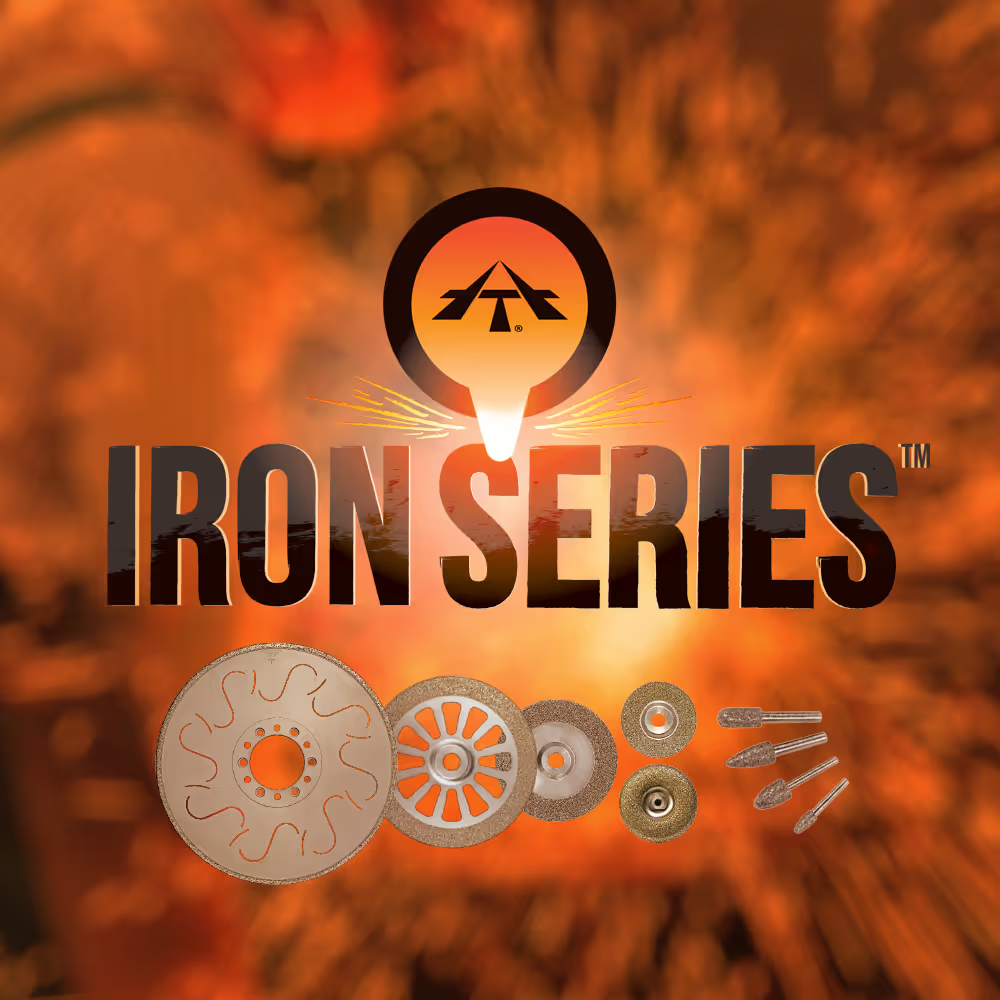
Superabrasive technology is very helpful for foundry mandrels and other specialized tools. These precise parts, crucial for core setting, mold handling, and casting support, must maintain their size accuracy even under extreme conditions. When mandrels need to be ground or fixed, the speed and accuracy of the work have a direct effect on how much work can be done. Foundries need diamond wheels to fit mandrels and keep their shape while also removing material quickly.
When it comes to grinding wheels for foundry finishing, diamond is great for ceramics, carbides, and metals that aren't iron because it is the hardest and best conductor of heat. Our custom foundry grinding tools use cutting-edge bond technologies are all designed to fit the customer's specific casting shape, material hardness, and machine capabilities.
Reducing Cycle Time Through Custom Engineering
When superabrasive tools are properly set up, they can have a big effect on foundry cycle times. A custom-engineered superabrasive wheel can often do the same job in one pass, while regular wheels may need to make several passes to get the desired surface finish. It's not just about how hard the wheels are; it's about how to design the whole grinding system to fit the job. To get the best chip clearance, the least amount of heat, and the most consistent cutting action, the type of abrasive, the grit distribution, the bond porosity, and the wheel profile all need to work together.
Think about how a normal casting cleanup job is different. A standard wheel grinding a hardened steel casting might take off two cubic inches of metal per minute and need to be dressed every twenty parts. A correctly specified diamond wheel can remove twice or three times as much material in the same operation and run hundreds of parts between dressings. The math behind productivity becomes clear: faster cutting speeds, less time spent not cutting while changing wheels and dressing, and parts that are more consistently high quality, which means less rework and scrap.
Custom solutions go beyond just the wheel to include the whole grinding process. Our engineers work directly with foundries to figure out how to solve their problems, like getting a perfect surface finish on investment castings, taking gates and risers off of ductile iron parts, or grinding complicated shapes on as-cast surfaces. We take into account the stiffness of the machines, how the coolant is delivered, how the work is held, and the skill levels of the operators to come up with solutions that work in real production settings, not just in theory.
Fast Lead Times When Production Can't Wait
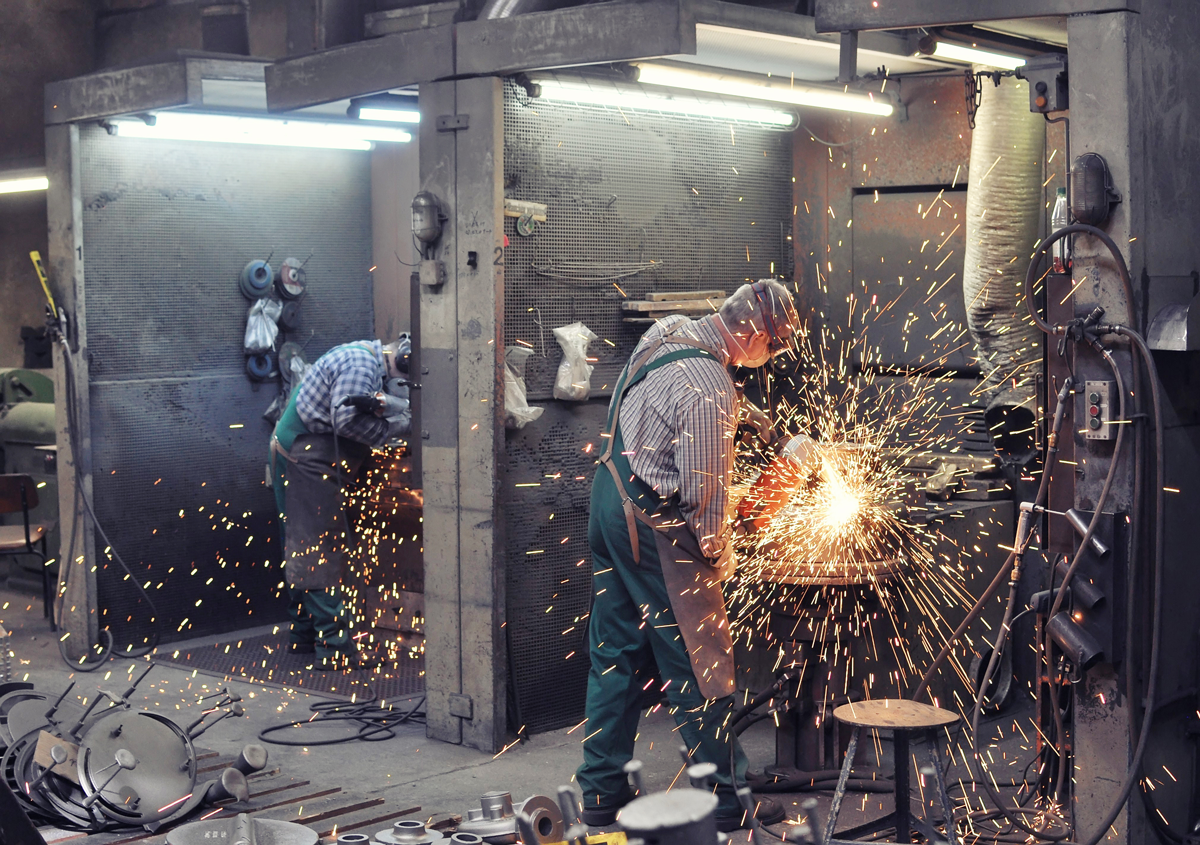
When production needs are urgent, foundries can't afford to wait weeks for custom grinding solutions. This is why Abrasive Technology has designed our manufacturing processes to make custom superabrasive tools with lead times that fit in with production schedules instead of setting them. We can respond quickly to urgent needs because we have the ability to make things in-house and a large stock of raw materials and pre-made parts. This lets us keep the high-quality standards that precision grinding requires.
Quick lead times don't mean you have to give up on customization. Each wheel is still made to meet the needs of the customer, with a lot of thought given to the grinding parameters that will make or break success on the shop floor. Our technical team helps with the application from the first specification to the implementation of production, making sure that the custom solution delivers the promised improvements in cycle time and tool life.
In the foundry and casting industry, efficiency is what makes a business competitive. Abrasive Technology's superabrasive grinding solutions help foundries cut down on cycle times, improve surface quality, and lower the total cost per part on the hardest materials used in manufacturing. Our custom solutions and quick response times make sure your production keeps going, whether you're grinding mandrels, finishing castings, or working with a material that is hard to work with.

Custom Solutions
For Your Unique
SuperAbrasive Needs

