

Single-Layer vs. Multi-Layer Tools
.png)
How to Choose theRight Tool for Your Application
Abrasive Technology has spent decades perfecting the science behind cutting, grinding, and shaping with diamond and CBN tools. One thing’s clear: the way a tool is built — specifically, whether it is single-layer or multi-layer — plays a major role in how it performs. From speed and precision to durability and maintenance, understanding these structures helps you choose the right tool for your application.
Single-Layer Tools
Single-layer tools have one exposed layer of diamond or CBN particles. Because all abrasive grains are at the surface, these tools cut aggressively and hold very precise shapes.
P.B.S.® Braze (Single-Layer)
Our exclusive P.B.S.® Braze technology delivers strength and precision by permanently brazing diamond particles to the tool core for faster, cleaner cuts.
Best for: Non-metallic materials like graphite, composites, fiberglass, and honeycomb structures.
Performance: Fast, cool cuts, consistent results, and extended life.
Use P.B.S.® Braze for tough composite work or when aggressive cutting and long life are essential.
Electroplated (Single-Layer)
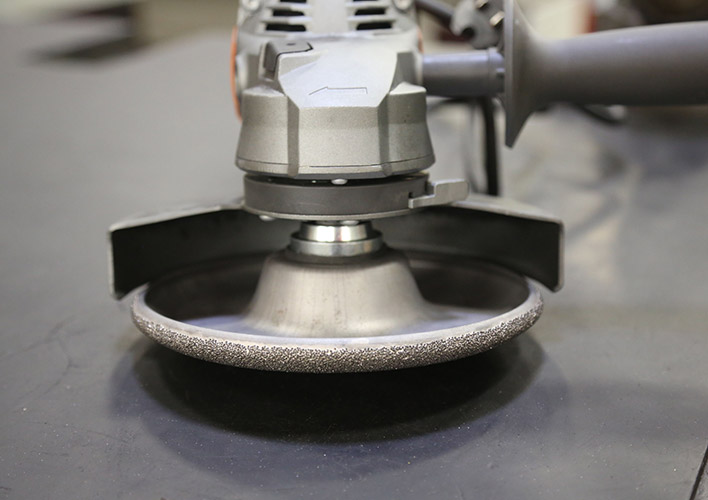
Electroplated bonds hold diamond or CBN grains in a thin, precise layer of metal — typically nickel — making them ideal for intricate shapes and tight tolerance requirements.
Best for: Metals, superalloys, ceramics, and other hard materials requiring precise forms.
Performance: Delivers accurate, high-speed cutting with excellent form control, though overall tool life is shorter than multi-layer bonds.
Reconditioning: A major advantage — many electroplated tools can be stripped and re-plated, saving cost and reducing waste compared to buying new tools.
Multi-Layer Tools
Multi-layer tools are built with several layers of abrasive grains embedded throughout the bond matrix. As the wheel wears, new abrasive is exposed, extending usable life and supporting sustained performance.
Resin, Metal, and Hybrid Bonds
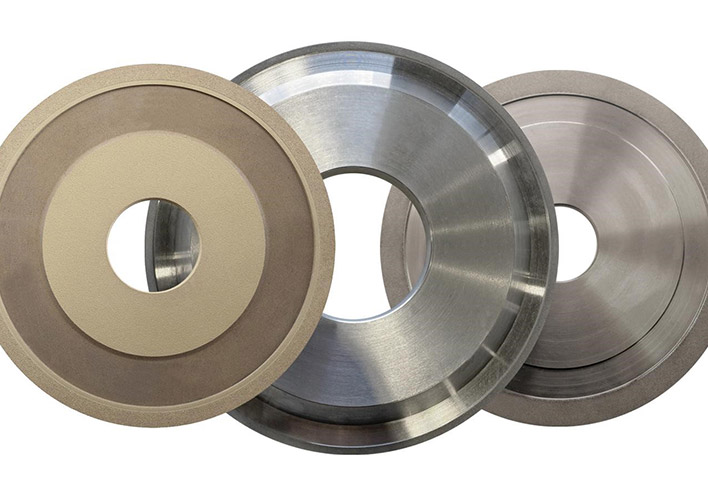
These traditional bond types address a wide range of needs, each offering its own balance of performance and durability.
Resin Bond (Multi-Layer)
Resin bonds delivera smooth finish and are ideal for light grinding or polishing work, though theywear faster under heavy pressure.
Metal Bond (Multi-Layer)
Metal bonds areextremely durable and rigid, maintaining form exceptionally well — a strongoption for precision work on ceramics, glass, or carbide.
Hybrid Bond (Multi-Layer)
Hybrid bonds combine the best qualities of resinand metal, offering efficient cutting with long life. They’re ideal when youneed fewer wheel changes or dressings.
Quick Comparison
How to Choose
1. Know your material.
For composites, choose P.B.S.® Braze.
For hard metals or ceramics, go with electroplated or metal bonds.
For general steels or finishing work, resin or hybrid bonds are your best fit.
2. Decide what matters most.
For speed and long life, choose durable structures like P.B.S.® Braze, metal, or hybrid.
For the best finish, go with resin.
3. Think about maintenance.
Electroplated tools can be stripped and re-plated, while multi-layer tools like resin, metal, and hybrid are dressed or replaced as they wear.
Why Abrasive Technology
Abrasive Technology combines decades of innovation with extensive bonding expertise to deliver tools that work faster, last longer, and cut with precision. Whether you need single-layer accuracy or multi-layer durability, our engineers can help you find the perfect match.
Maximize your performance today. Contact us at 740-548-4100 or use our contact form to find your ideal tool.

Custom Solutions
For Your Unique
SuperAbrasive Needs

